
Flooring In Northern Illinois
Flooring Experts
Bringing your vision to life with expert craftsmanship and over 40 years of trusted experience
Blue Diamond Designs LLC
What Is Flooring?
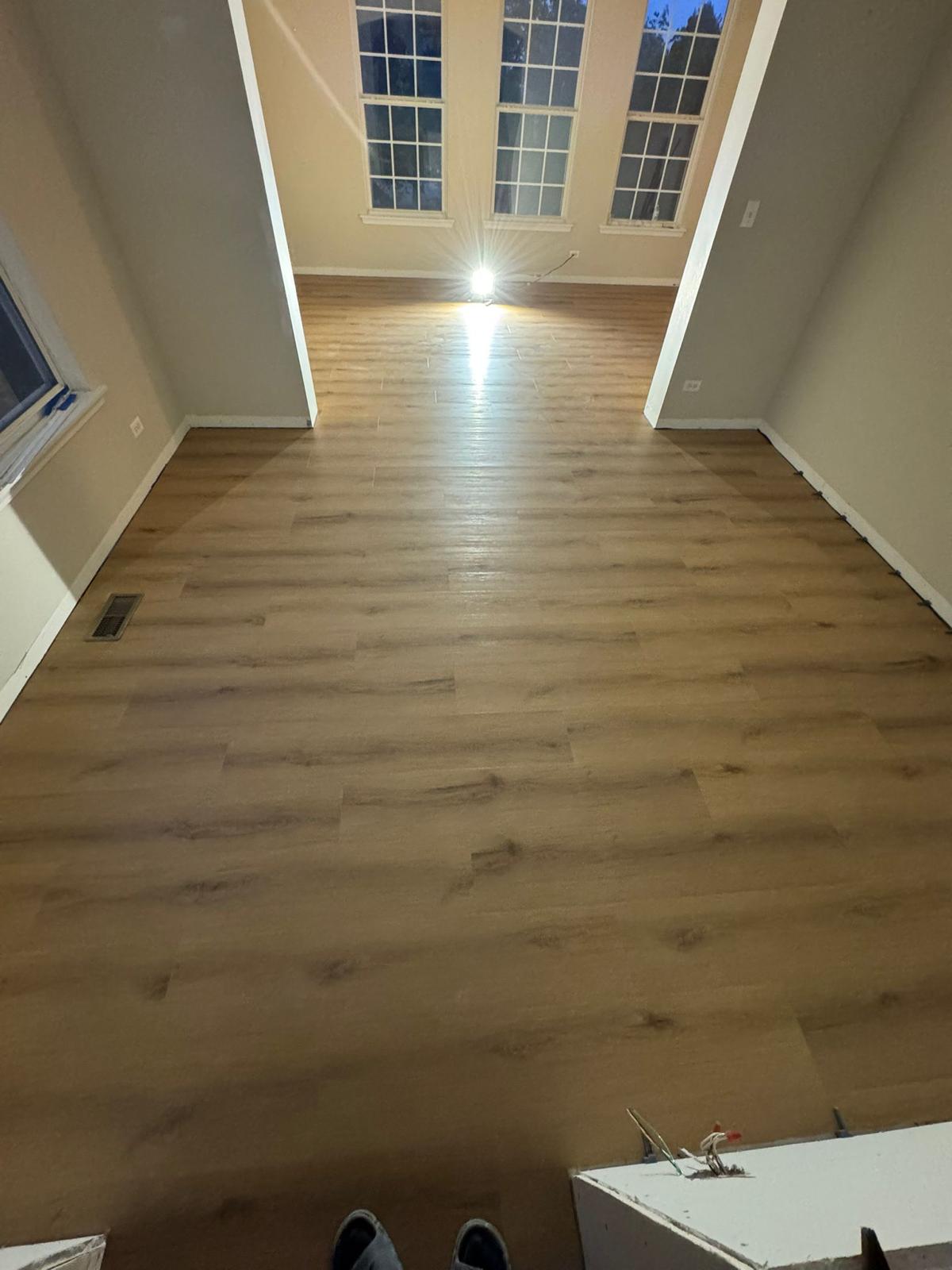
Flooring is the foundation of your home’s look and feel, combining style, comfort, and durability. From hardwood flooring in Chicago Heights to luxury vinyl plank in Cicero, Blue Diamond Designs LLC provides expert flooring installation, repair, and replacement tailored to your space. Whether you’re upgrading tile flooring in Crystal Lake or installing laminate in Des Plaines, every project is handled with precision and care.
Transform Your Floors
Blue Diamond Designs LLC
When Is Flooring Necessary?
Flooring services become necessary when you notice wear, damage, or outdated materials affecting your home’s appearance or safety. Scratches in hardwood, cracked tiles, or water-damaged basement flooring in Evergreen Park are clear signs it’s time for an upgrade. Homeowners in Downers Grove and Elgin often choose new flooring to improve value, enhance comfort, and match modern design trends.
Blue Diamond Designs LLC
What is required for Flooring?
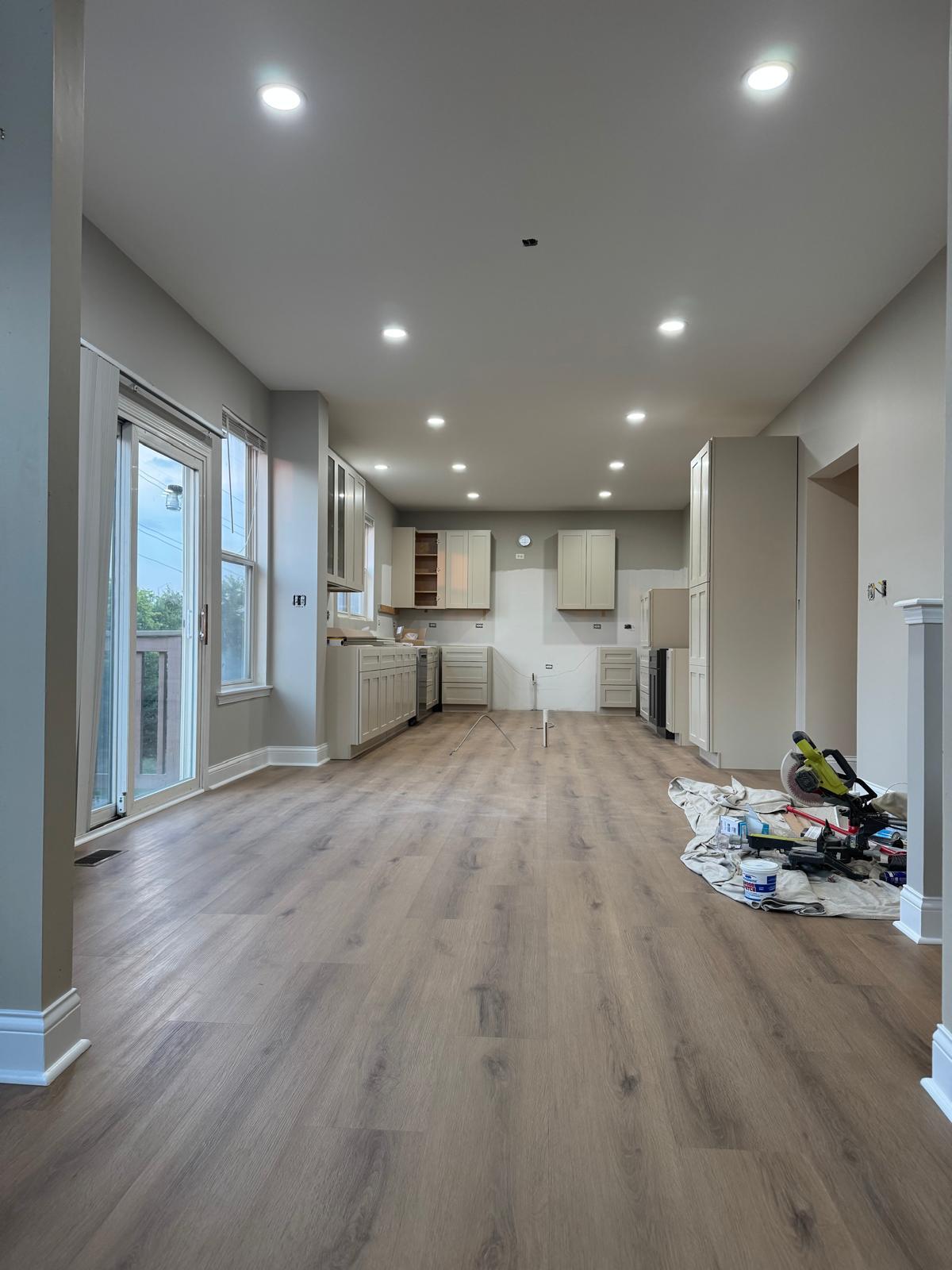
A successful flooring project requires proper planning, quality materials, and skilled installation. Blue Diamond Designs LLC ensures accurate measurements, subfloor preparation, and seamless installation for long-lasting results. Whether it’s bathroom flooring in Elmhurst or full-home flooring in Naperville, the right approach guarantees durability, easy maintenance, and a polished finish that elevates your entire home.
Flooring Tips
Tile & Natural Stone Options
Tile and natural stone are some of the most durable and versatile flooring choices available. Ceramic tile is a more affordable and slightly softer option, making it easier to work with and ideal for lighter-use areas. Porcelain, on the other hand, is fired at higher temperatures, making it extremely dense, waterproof, and perfect for high-traffic or moisture-prone spaces.
Natural stone options like marble and granite offer a more premium, high-end look. Marble is known for its elegant veining and smooth feel but requires more maintenance due to its softer surface. Granite is much harder and more resistant to scratches and heat, making it a practical yet upscale option. Other natural stone materials, such as slate or limestone, provide unique textures and variations, ensuring no two floors look exactly the same.
Luxury Vinyl (LVP & LVT)
Luxury vinyl flooring has become one of the most popular options for modern homes due to its durability, affordability, and realistic appearance. LVP (Luxury Vinyl Plank) is designed to mimic hardwood flooring, featuring long planks with natural wood grain textures. LVT (Luxury Vinyl Tile) replicates the look of stone or tile and is often installed with spacing that gives the appearance of grout lines.
Both options are built with multiple layers, including a protective wear layer and a waterproof core, making them ideal for kitchens, bathrooms, and basements. They offer the look of natural materials without the maintenance, cost, or sensitivity to moisture.
Hardwood Flooring Installation
Hardwood flooring remains one of the most timeless and valuable upgrades you can make in a home. New hardwood installation involves laying either solid wood planks or engineered wood, depending on the environment and moisture levels. Solid hardwood is made from a single piece of wood, while engineered hardwood uses a layered construction for added stability.
Each plank has its own natural grain, knots, and color variations, giving the floor a unique, high-end appearance. Homeowners can choose from a variety of wood species like oak, maple, walnut, or hickory, as well as different finishes—either pre-finished for convenience or site-finished for a completely custom look.
Refinishing Existing Hardwood Floors
Refinishing is a great option if your existing hardwood floors are structurally sound but worn over time. This process involves sanding down the top layer to remove scratches, dents, and old finishes, then applying a new stain and protective coating.
One of the biggest advantages of refinishing is the ability to completely change the look of your floors without replacing them. You can go from dark to light, glossy to matte, or modernize the entire feel of your space while preserving the original character of the wood. It’s a cost-effective way to restore beauty and extend the life of your flooring for years to come.
TESTIMONIALS
What Our Flooring Customers Say About Us
The Process
3 Step Process For Your Flooring Needs

Contact Us
Start by completing the 'Get a Free Quote' form on our website to share your Flooring needs with us.

Schedule Your Estimate
Next, we'll arrange a property visit at a time that works for you to provide an in-person estimate for your Flooring needs.

Get The Job Done
After you approve our estimate, we'll schedule a date to complete the job. Our team will work hard to exceed your expectations!
Request A Free Flooring Quote
GET A FREE QUOTE
BUSINESS
SERVICES
SERVICE AREAS
OPERATING HOURS
Sun: Closed
Mon: 9:00am - 6:00pm
Tue: 9:00am - 6:00pm
Wed: 9:00am - 6:00pm
Thu: 9:00am - 6:00pm
Fri: 9:00am - 6:00pm
Sat: 9:00am - 6:00pm